The Same Ingredient Is Never the Same Ingredient
- Perfumery
- Engineering
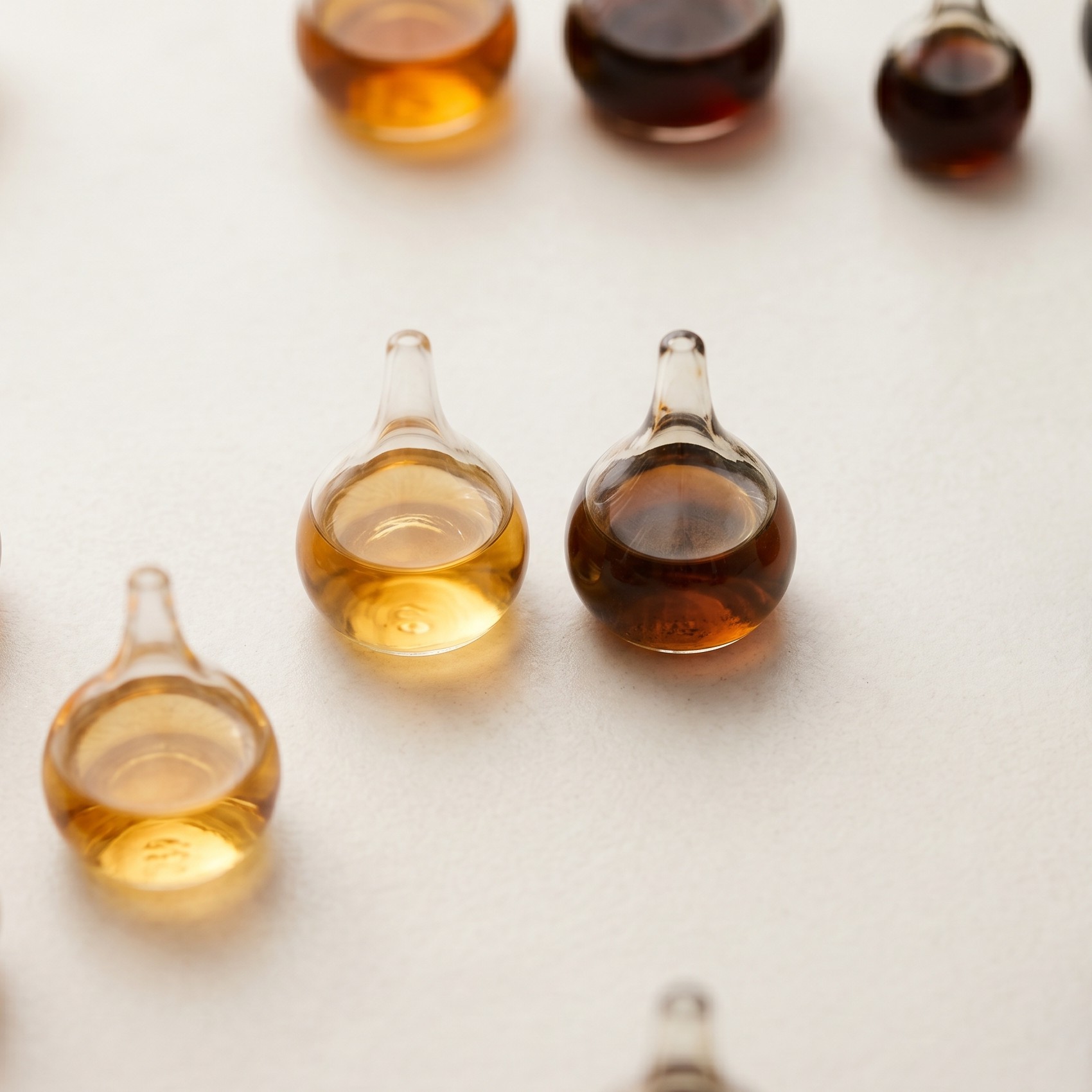
When a perfumer writes "patchouli" in a formula, they're not pointing at a fixed thing. They're pointing at a coordinate in a multi-dimensional space: species, region, soil, altitude, harvest timing, extraction method, extraction equipment, and age. Shift any one of those variables and you have a materially different substance that happens to carry the same name.
The distinction is not subtle. The gap between a fresh Indonesian patchouli and an aged Indian one isn't the difference between two slightly different roses. It's the difference between two ingredients that, if you smelled them blind, you might not immediately connect. The same word on an ingredient list can describe materials that a trained nose would treat as categorically different. What unites them is biology. What distinguishes them is everything that happened to the biology before it arrived in a bottle.
Geography as chemistry
Vetiver is the most documented case of terroir in perfumery — a word borrowed from wine, applied here with equal precision. The plant is Chrysopogon zizanioides, the same species whether grown in Haiti, Java, Réunion, or India. The chemistry of the extracted oil is not the same.
Haitian vetiver is the brightest of the family. The oil has a cleaner, more transparent quality, almost citrus-adjacent at the top, with floral touches that the Javanese and Indian oils lack entirely. Bourbon vetiver from Réunion reveals an earthy and spicy smell: refined, with hazelnut and a slightly rosy facet. The Java one is more bitter with very strong smoky notes.
These aren't stylistic differences. There are more zizanoic acids in Java quality and the ratios between vetivone compounds are completely different in Haiti quality. The molecular composition varies because the plant's biosynthetic expression varies with soil chemistry, rainfall patterns, altitude, and temperature. The same species, the same roots, the same steam distillation process, but different soil produces different metabolic decisions in the plant, and those decisions are what you smell.
A perfumer working with vetiver chooses the origin deliberately for each composition depending on the character they are trying to achieve. When a formula says "Haitian vetiver," it isn't just specifying quality. It's specifying a character that Javanese vetiver cannot replicate.
This same logic applies across most natural materials. Bulgarian rose (Rosa damascena from the Kazanlak Valley) and Grasse rose (Rosa centifolia, the Rose de Mai) aren't even the same species: one distilled, one solvent-extracted, from different plants grown in different climates for different character profiles. One is honeyed and complex; the other is lighter, more transparent, almost green-floral. Both are "rose" on an ingredient list.
The method changes the material
The same plant, extracted by different methods, produces ingredients that may share a name while having different chemical compositions and different olfactory characters.
Steam distillation is the oldest industrial extraction method: heat drives volatile compounds into steam, which is condensed back into liquid. It captures the most volatile aromatic compounds well, but the process applies heat, and heat degrades certain delicate molecules. What you lose in steam distillation is present in solvent extraction, specifically the heavier, less volatile compounds that contribute depth, richness, and the animalic warmth of many natural materials.
Orange blossom distilled as neroli and orange blossom extracted as absolute are, in a meaningful sense, two different ingredients from the same flower. The neroli is brighter, citrus-adjacent, cleaner. The absolute is heavier, richer, more indolic: it contains more of the compounds that give orange blossom its narcotic, slightly animalic depth. Givenchy’s description of L’Interdit Eau de Toilette offers a useful example, listing four forms of the flower: neroli essence, absolute, concrete, and CO2 extract. Each captures a different fraction of the flower's chemistry. Together they constitute something closer to the full material than any single extraction could provide.
CO2 extraction, using carbon dioxide as a solvent under controlled pressure and temperature, can capture a different spectrum while avoiding the high temperatures of steam distillation. Pressure, temperature, and subsequent processing determine which fractions are retained. CO2 rose smells closer to a freshly cut rose than steam-distilled rose otto, because the process doesn't destroy the molecules responsible for the green, dewy quality of the living flower.
Even the equipment matters at this level. Extraction in copper alembics can give vetiver essential oil a cumin and cedar effect, while stainless steel equipment produces a different result. The metal itself participates in the chemistry. At this level, "vetiver" as a label becomes almost laughably underspecified.
Time as an ingredient
Patchouli is the most extreme example of aging changing a material's character, and it's almost unique in the perfumer's palette for doing what wine and spirits do: improving with time rather than degrading.
Fresh patchouli oil, distilled from recently dried leaves, has a raw, camphoraceous, almost harsh character. Over months and years (five years is considered good; ten is exceptional) the oil undergoes slow oxidative and molecular changes. The harsh camphor notes diminish. What emerges is rich, rounded, and startlingly complex: dark chocolate, dried fruit, something like wine tannins, a honeyed warmth with tobacco undertones.
Aged patchouli (sometimes 10 to 30 years old) loses the lighter green notes and develops a richer, warmer, more balsamic character dominated by norpatchoulenol, patchouli alcohol, and various oxidation products. The color deepens from amber to dark brown as the molecular structure changes.
Patchouli is particularly valued for the way careful aging can round its character. Most essential oils degrade over time; their volatile compounds oxidize, flatten, turn acrid. Patchouli does the opposite. Its complexity deepens. The fresh oil is a sketch.
The patchouli in a serious fragrance is therefore often selected and matured for a particular character. It's why houses stockpile aged stock. And it's why "patchouli" as a note descriptor conceals a variable that matters enormously to the actual character of the finished fragrance: the age of the oil used. An Angel-era Mugler patchouli base built around aged material and a contemporary fragrance using fresh Indonesian oil are not working with the same ingredient. They happen to be working with the same plant.
When the harvest method was the formula
Labdanum, the Mediterranean rockrose resin that forms the backbone of most amber accords, has a harvesting history that makes the chemistry explicit.
In ancient times, labdanum was collected by combing the beards and thighs of goats and sheep that had grazed on the cistus shrubs. The resin — produced by the plant as a stress response to summer heat, a UV and desiccation defense mechanism — is sticky and adheres to anything that brushes through the bushes. Goats grazing in the heat accumulate it in their coats.
The Ancient Greeks later built rake-like tools called ladanisterions — wooden frames strung with leather thongs — to be swept through the shrubs to collect the resin. Some villages in Crete's Rethymnon prefecture still use this method today. Modern production primarily uses solvent extraction of plant material directly.
These are not equivalent processes producing equivalent materials. The goat-harvested labdanum contained resin mixed with animal sebum, lanolin, bacterial metabolites from the animal's skin, and trace compounds from the goat's coat chemistry. This isn't a contamination; it's an ingredient addition. It is easy to imagine those accompanying materials affecting the result, although the collection method alone cannot tell us how much of the historical animalic character they supplied. Solvent-extracted modern labdanum is a purer plant product, but precisely because it's purer, it may lack the specific animalic dimension that made ancient labdanum so distinctive.
The goat-beard harvesting method described by Herodotus around 440 BCE is not legend. It was a real process with real chemical consequences. The ingredient the ancient Egyptians used in kyphi incense, that ingredient was not the same substance as the cistus absolute produced by a solvent extraction facility in Andalusia today. Same plant. Different everything else.
Proximity is not identity
An addendum that connects this to our earlier investigation into the mystery molecule in certain fragrances: two plants in the same genus can produce materials that smell so different they're treated as entirely separate ingredients in perfumery. Cyperus papyrus and Cyperus scariosus (cypriol) share a genus and a superficially similar character on paper. One produces a green, reedy, aquatic-earthy extract. The other, cypriol, is one of the most unusual materials in the palette: woody, spiced, animalic, oud-adjacent, with a dual character that reads as dry and antiquated in one context and dark and lush in another.
The same genus, two completely different ingredients. When a perfumer reaches for one rather than the other, they're not choosing between versions of the same thing. They're choosing between different things that happen to share a biological family.
An ingredient list therefore provides less information than it appears to. "Vetiver" tells you which plant. It doesn't tell you which country, which soil type, which harvest timing, which extraction equipment, or whether it's fresh or aged, all variables that determine which of several meaningfully different materials is actually in the bottle. The same applies to rose, patchouli, labdanum, jasmine, sandalwood, and most natural materials that appear with any frequency in fine perfumery.
Perfumers with serious sourcing relationships, and houses that invest in direct agricultural partnerships, therefore have genuine and not merely marketing advantages. They're not just securing quality. They're securing specific character. The formula isn't just the ratio of ingredients. It's the ratio of ingredients as defined by origin, method, and age, variables that the ingredient name alone can't capture.
When someone says "natural" in perfumery, they're describing a category so broad as to be nearly meaningless without further specification. The interesting question is never whether something is natural. It's which version of natural.